Get In Touch
Katerina Baltouna,
kb@projection-mapping.eu
Back

Step 01

01 / Conceptual Framework.

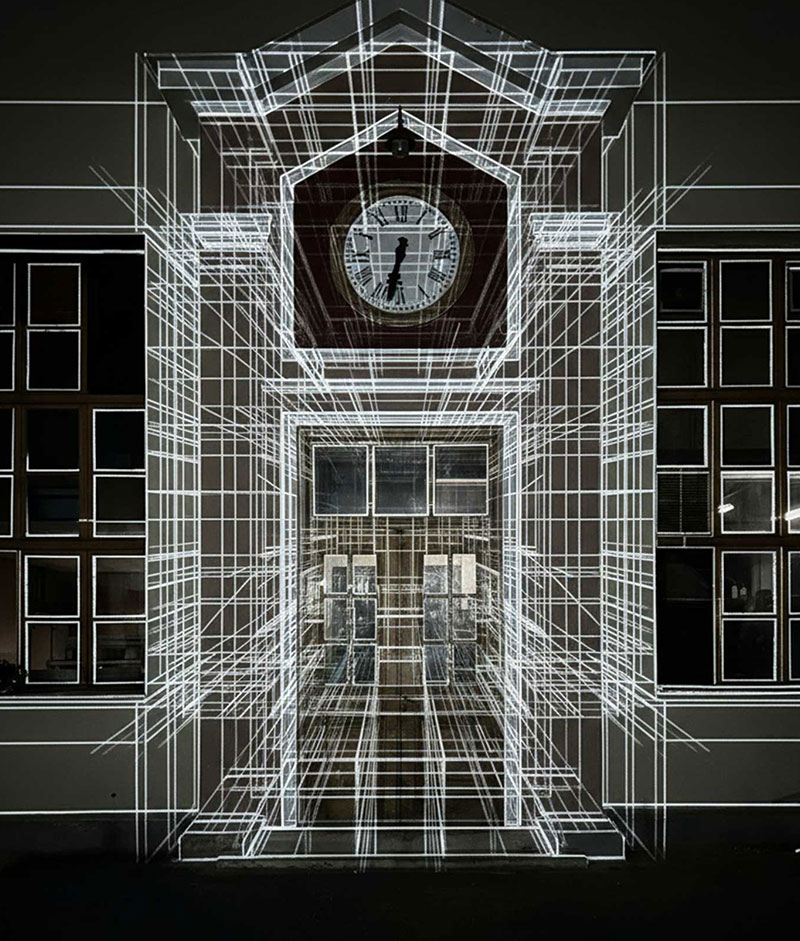
Based on the theoretical approaches outlined above, this thesis seeks to explore projection mapping not only as a projection technique but as a means of artistic narration and the re-signification of space. The transition from material to digital information, as well as the integration of participation, are key aspects of the research.

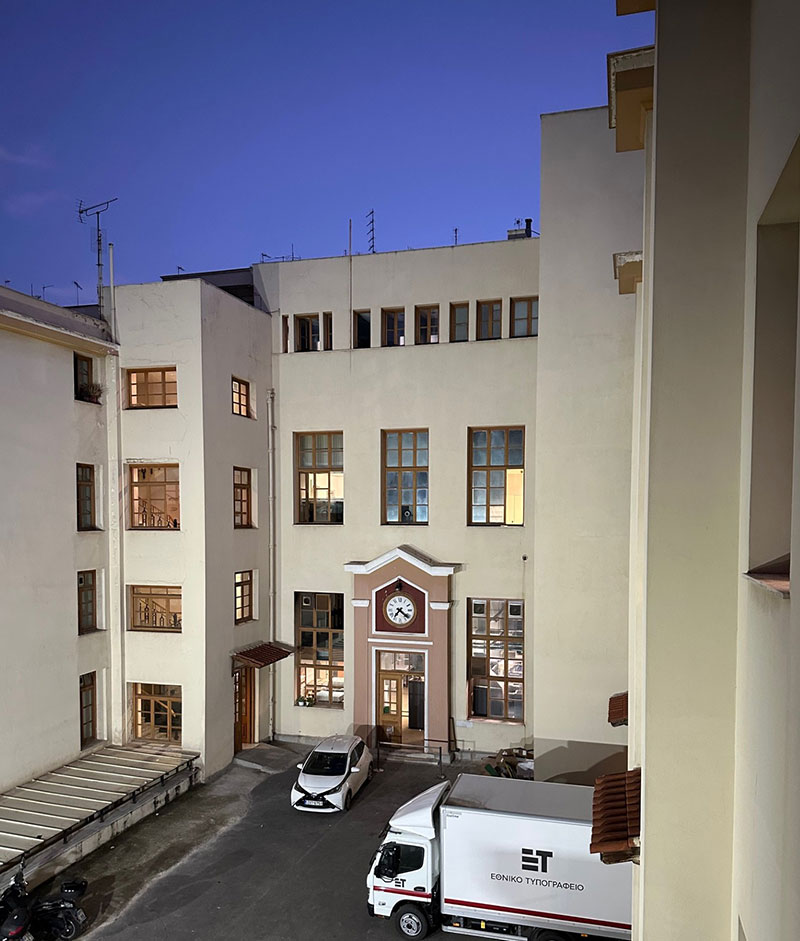
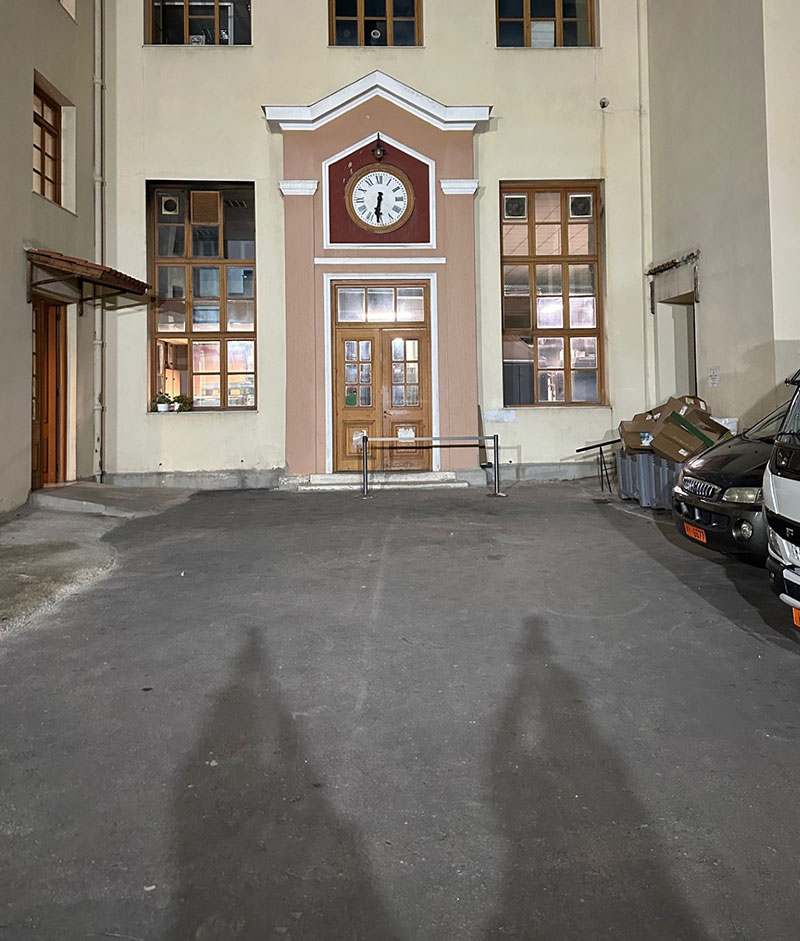
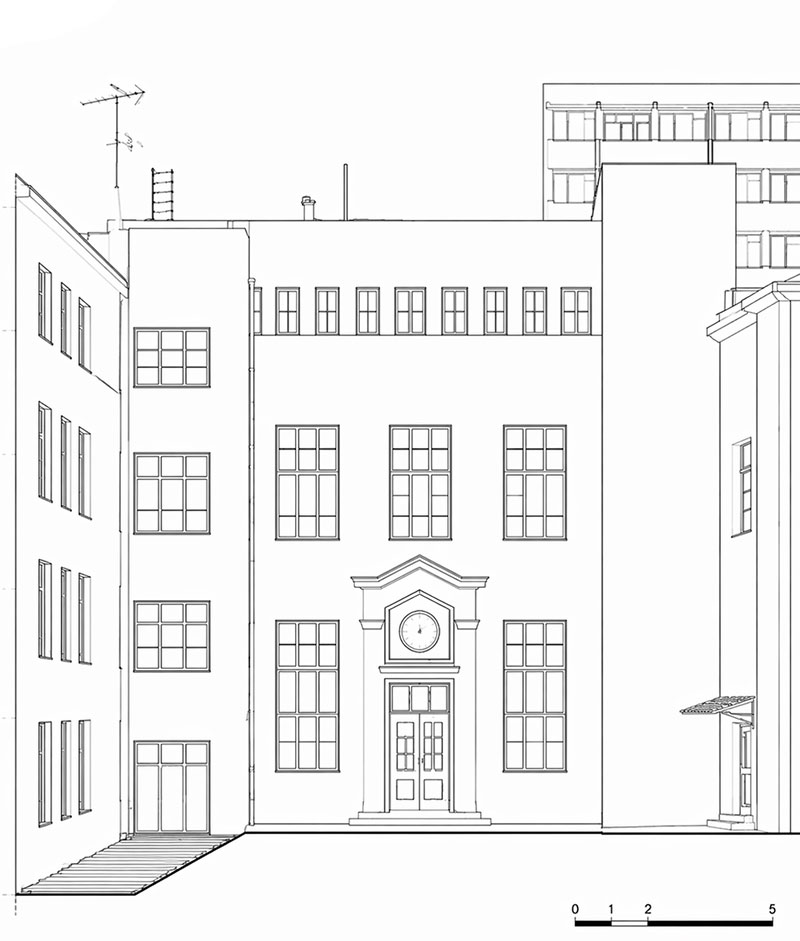
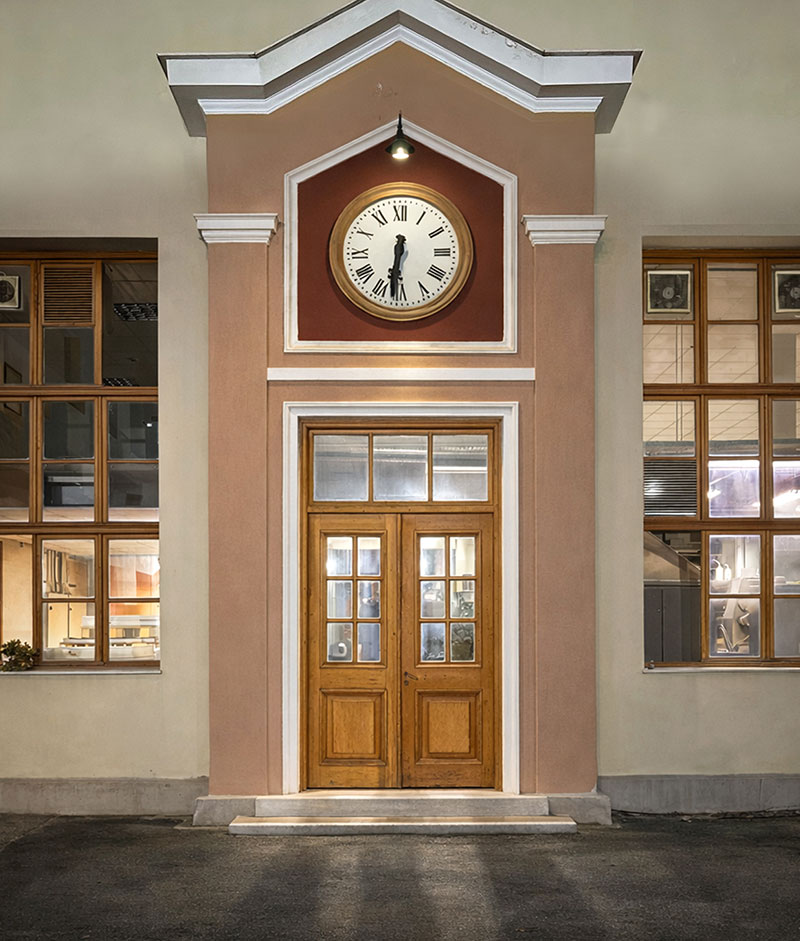
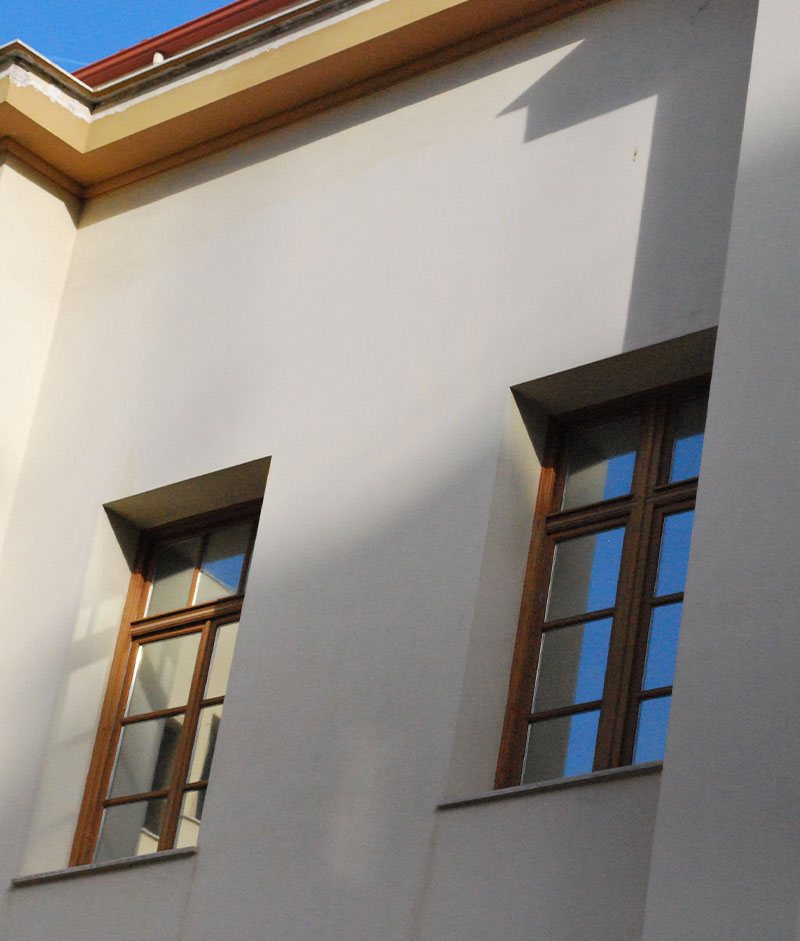
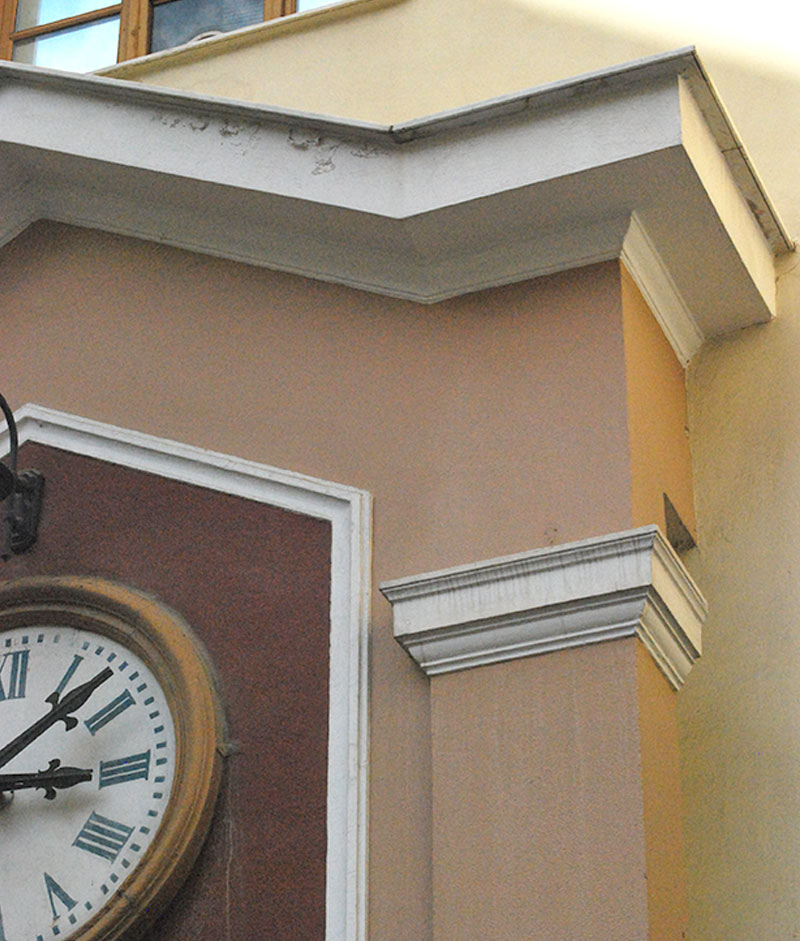
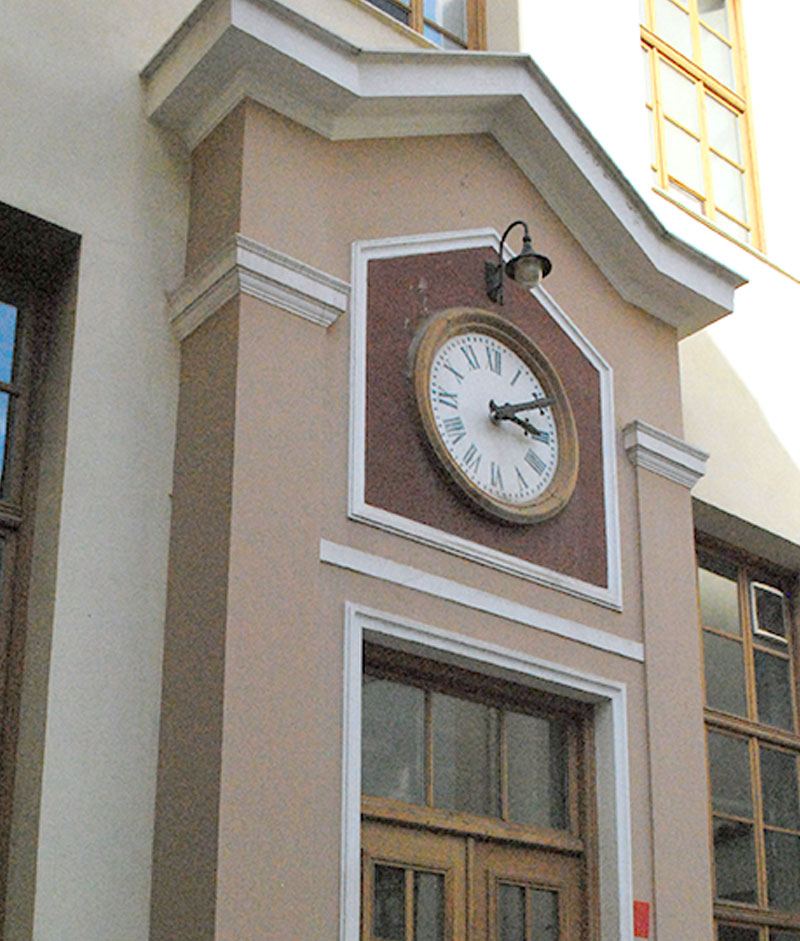
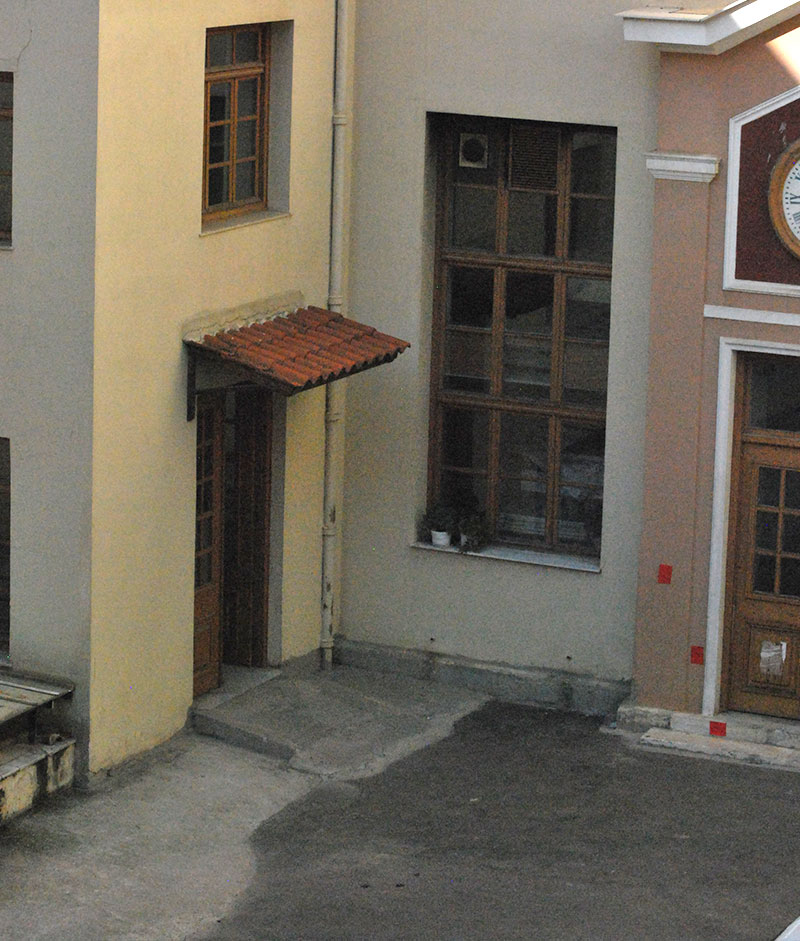
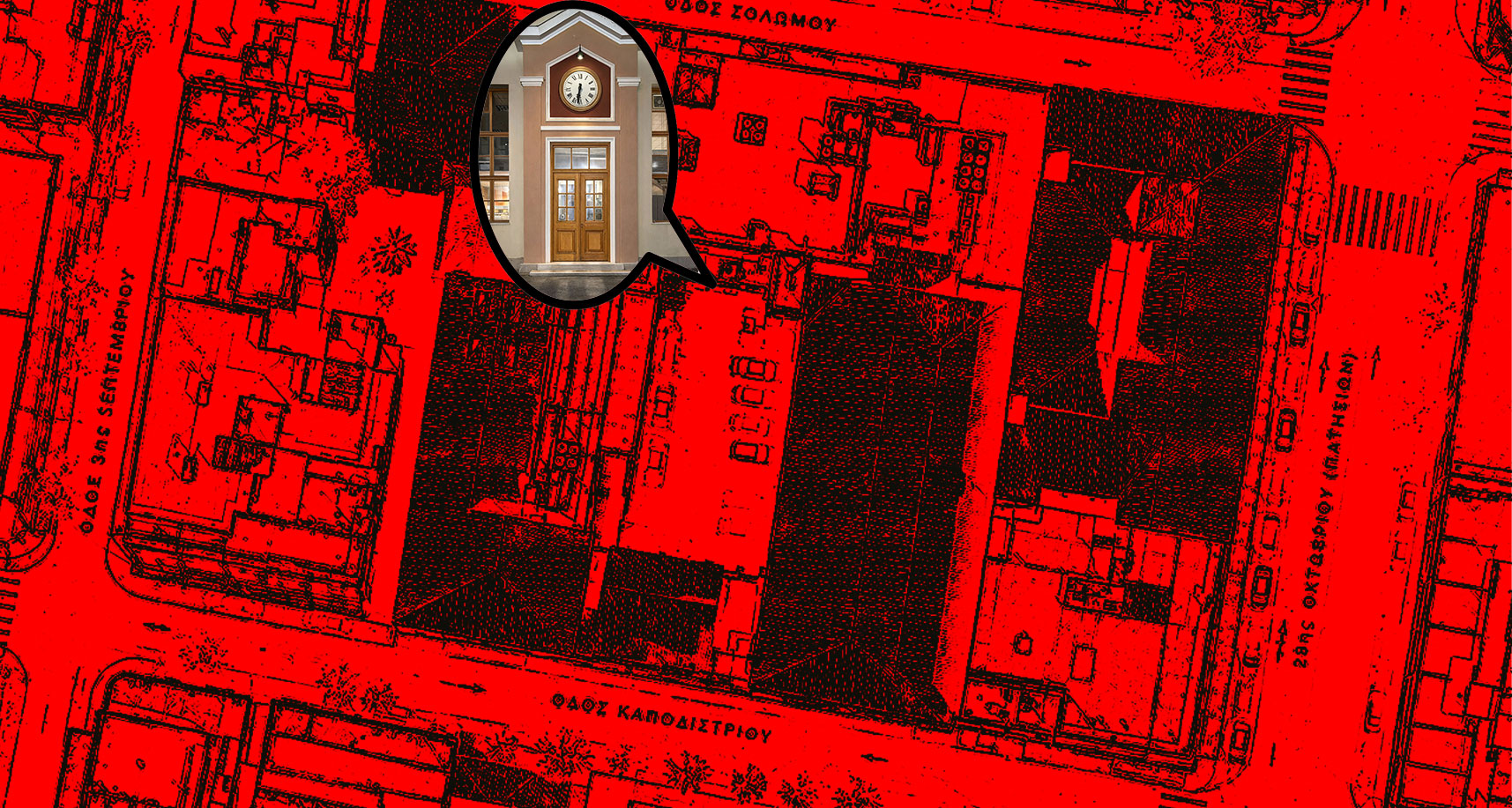
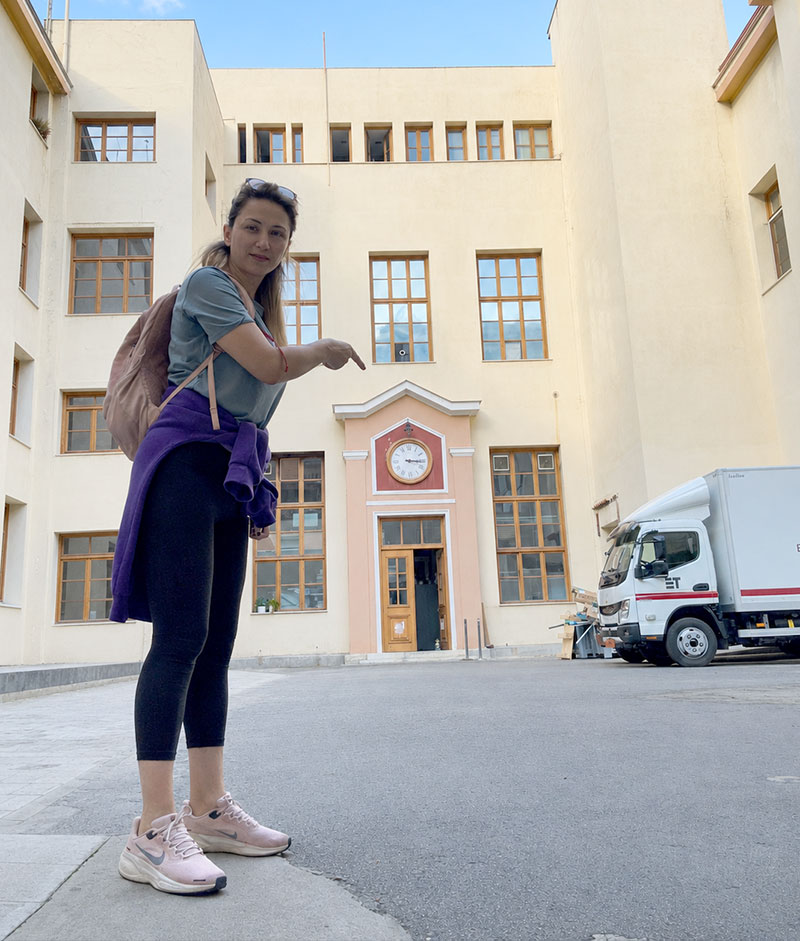
In this context, the chosen application field is the gateway to the inner courtyard of the historic building of the National Printing House, due to its strong symbolic connection with the concept of writing, printing, and the dissemination of knowledge. This space functions as a carrier of cultural memory, making it ideal for exploring the transition from analog typography to the contemporary digital age.
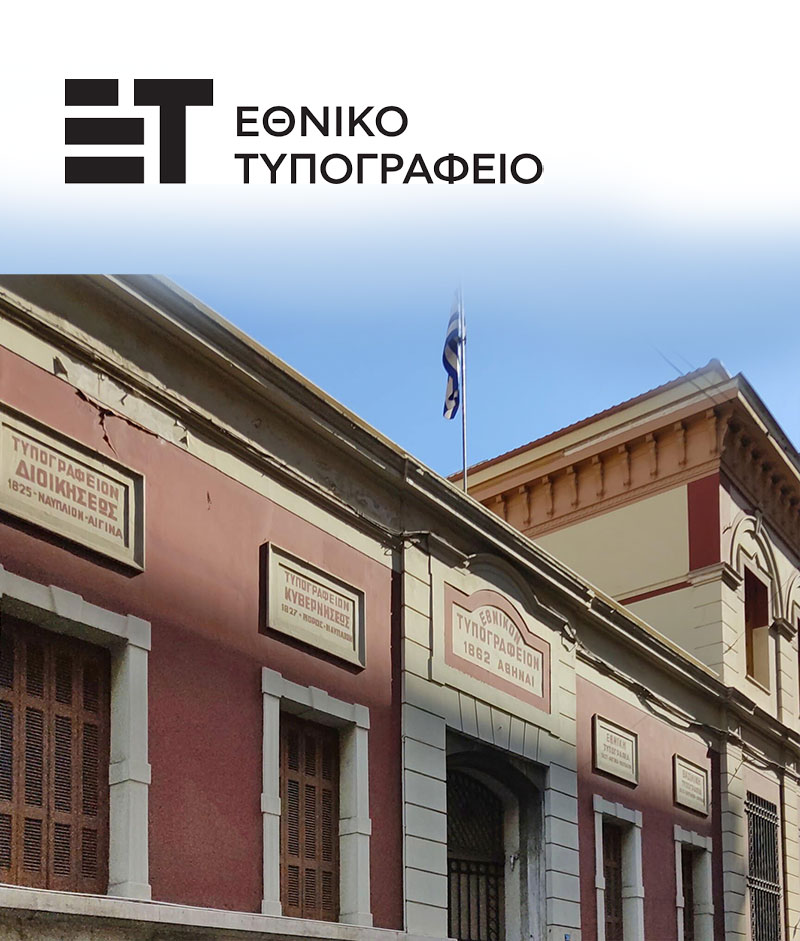
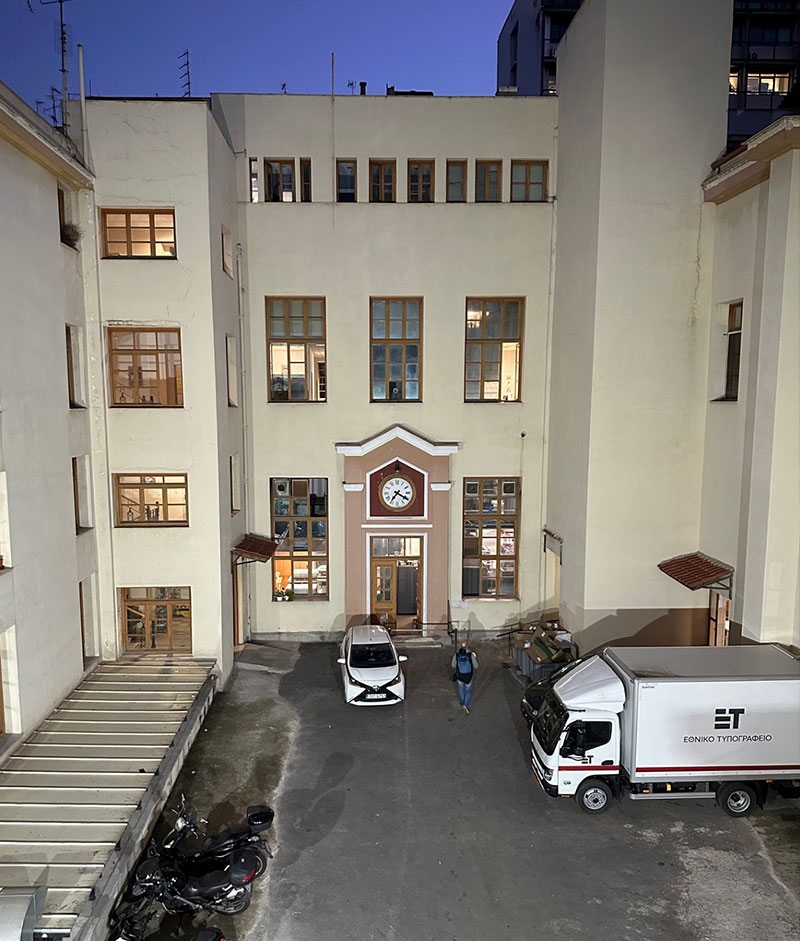
The choice of this space is symbolic, as the National Printing House has for decades been a carrier of knowledge, culture, and communication through the art of typography. Through projection mapping, the aim is to revive the relationship between light, the letter, and the material element of typography, transforming the space into a dynamic audiovisual experience.

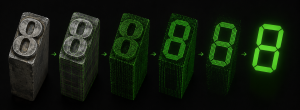
The project draws inspiration from the very history of the Printing House – a place that generated printed materials, decrees, newspapers, and history itself. Typography, as a form of cultural memory, is reconstituted here not on paper, but on the wall: the letters are illuminated, broken, reformed, and “move” as if they breathe on the architectural surface. Thus:

  • It transforms the architectural surface into a narrative canvas, where light replaces ink.
  • It connects animation with the materiality of typography through contemporary audiovisual composition.
  • It highlights the National Printing House as a living cultural monument, proposing a new way of reading its space.
  • It artistically broadens the memory of writing through the fluidity of light and sound.

The word “Type” encapsulates the concept of imprinting. Projection mapping, by reversing this process, projects rather than prints. Light becomes the new medium of imprinting—a non-material ink that activates the space and its history.

The project will examine the relationship between:

  • Light → Letter (as symbol and image)
  • Space → Time (as stage and memory)